Milan Men's Fashion Week vs. Tokyo Fashion Week: What's on Their Feet?
Craftsmanship
Milan Men's Fashion Week vs. Tokyo Fashion Week: What's on Their Feet?
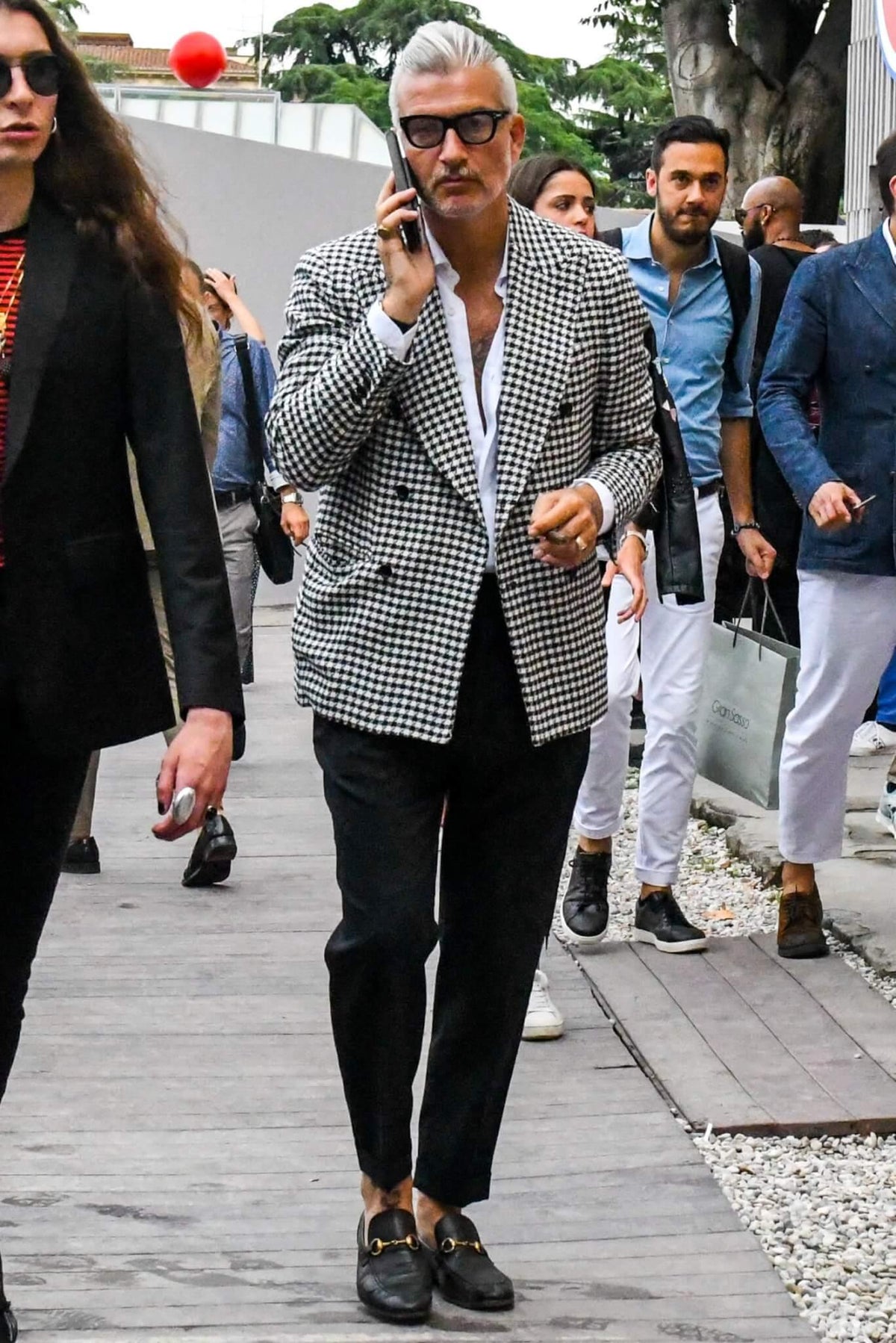
When the world's best-dressed men gather at Milan Men's Fashion Week and Tokyo Fashion Week, one thing stands out: men's loafers remain a timeless staple, but each city styles them in its own way.


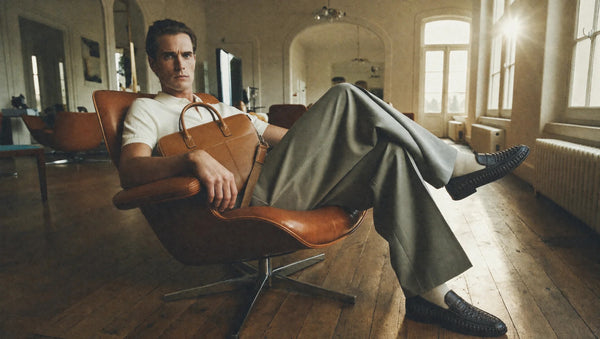
Milan is synonymous with refined luxury. Guests pair tailored trousers, relaxed suiting, and fine knitwear with penny loafers, tassel loafers, horse-bit loafers, and suede loafers crafted from premium leather. The look is polished, understated, and built around exceptional craftsmanship. Every detail—from soft tailoring to beautifully finished leather shoes—reflects the Italian belief that true style is timeless.

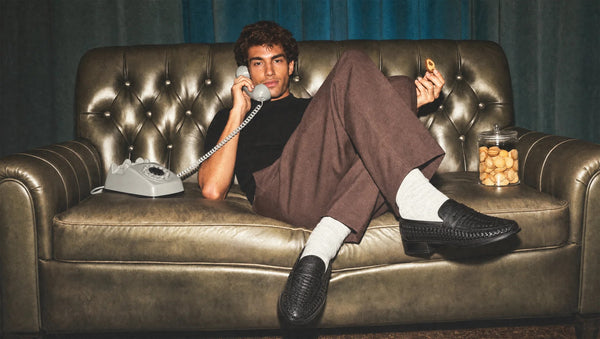
Tokyo, by contrast, celebrates individuality. Loafers are styled with oversized tailoring, cropped trousers, wide-leg silhouettes, and layered streetwear. From sleek penny loafers to chunkier leather styles, footwear becomes part of a creative expression while maintaining Japan's renowned attention to quality and detail.
Despite their different aesthetics, both fashion capitals agree on one thing: a well-made pair of genuine leather loafers belongs in every man's wardrobe. Whether paired with a tailored suit in Milan or relaxed contemporary separates in Tokyo, loafers effortlessly bridge comfort, versatility, and sophistication.


At PABDER, our genuine leather loafers are inspired by both worlds—combining Italian elegance with modern versatility to create footwear that is comfortable enough for everyday wear and refined enough for every occasion.
Appendix – Sources
Photography & Street Style Inspiration
1. Vogue Scandinavia – The Best Street Style from Milan Men's Fashion Week
2. Footwear News – Footwear Street Style at Men's Milan Fashion Week
3. FASHIONSNAP (Japan) – Tokyo Street Style Photography
4. OCEANS Tokyo – Japanese Men's Street Style
Editorial References
-
Vogue Scandinavia – Milan Men's Fashion Week Street Style
-
Footwear News – Men's Fashion Week Footwear Trends